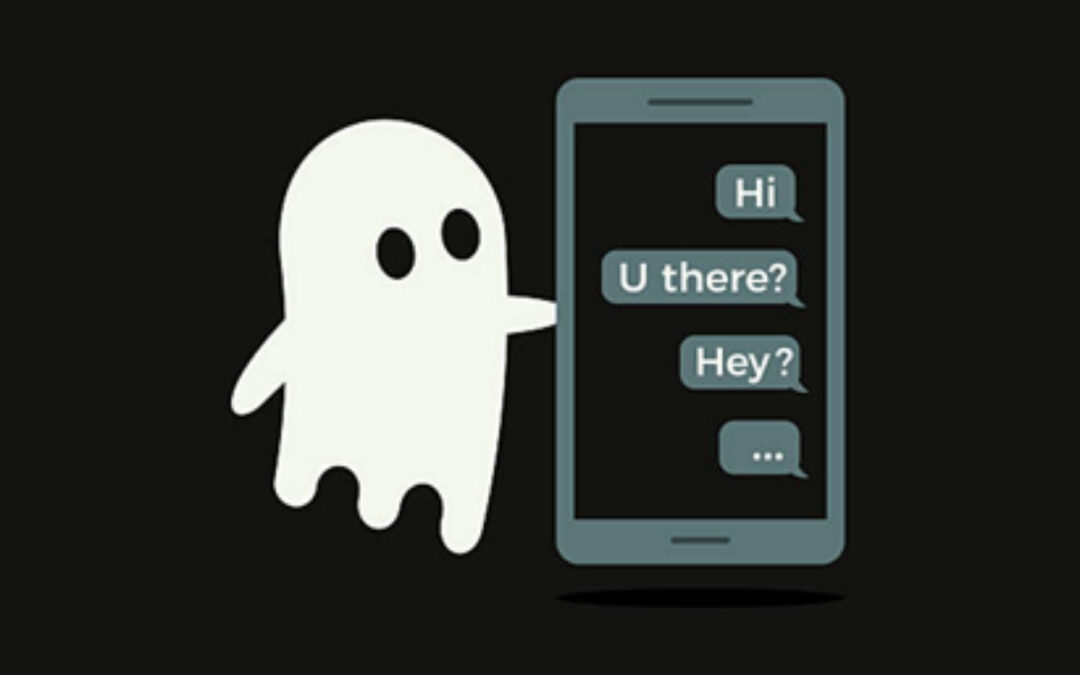
We’ve all experienced being ghosted. It might have been a dating app match that disappeared overnight, a friend who stopped replying after a disagreement, or a family member who suddenly went silent after a tense conversation. Ghosting feels mysterious, like someone vanishes into thin air. But psychologically, it’s rarely random. When we look beneath the surface, ghosting reveals a story of avoidance, fear, and unmet emotional needs.
Ghosting is a coping mechanism, not a personality trait.
In therapy, avoidance means fleeing from uncomfortable emotions instead of confronting them. When relationships become emotionally intense, vulnerability rises, conflicts occur, expectations shift, and avoidance can feel like a relief. Ghosting is often that relief. It temporarily reduces anxiety, but it does so by passing the distress onto the other person. What looks like indifference is often emotional overload.
Fear of Conflict and Emotional Discomfort
Many people ghost because they weren’t taught how to deal with discomfort. Conflict, disappointment, and emotional expression can feel threatening instead of manageable. Common fears behind ghosting include:
- Fear of hurting someone’s feelings
- Fear of conflict
- Fear of being called the “bad person.”
- Fear of emotional escalation
Avoidance offers temporary comfort but eventually causes confusion, mistrust, and unresolved feelings.
Attachment Styles and Dissociation
Attachment theory clarifies why some individuals pull back as relationships become more intense.
- Anxious attachment typically includes a fear of being abandoned and a need for reassurance.
- Avoidant attachment tends to withdraw as intimacy or expectations increase.
For avoidantly attached individuals, ghosting can feel like self-regulation; distance equals safety. This does not make the behavior harmless, but it makes it understandable. Attachment patterns are learned survival strategies, not character flaws.
Ghosting in the Digital Age
Technology makes avoidance easier.
- Messages without tone or context
- Endless distractions
- The illusion of unlimited social options
When connection feels awkward, disappearing is just a swipe away. Digital communication reduces accountability and widens emotional gaps.
When Ghosting Really Means Setting Boundaries
Not all silence means avoidance. Sometimes, pulling back is a way to protect oneself. If communication becomes unsafe, manipulative, or consistently disrespectful, stepping away might be the best choice. The main difference is the intention behind it.
- Boundaries protect emotional well-being.
- Avoidance maintains comfort.
One is composed and steady; the other is reactive.
Healthier Alternatives to Ghosting
When possible, clear communication builds trust, even if it’s uncomfortable. Examples include:
- I’m feeling overwhelmed and need some space right now.
- I don’t believe I can continue this connection.
- I need some time to consider before I respond.
These statements don’t have to be perfect, just truthful.
Final Thoughts
Ghosting isn’t just a modern mystery; it’s a reflection. It reveals how we handle discomfort, vulnerability, and emotional responsibility. Therapy doesn’t teach people to avoid difficult conversations; it teaches them how to endure them. Often, the most important question isn’t why someone disappeared, but: “What emotion was too hard to face?”