There is a particular kind of confusion or disappointment that can happen when something good happens in our lives and we don’t feel the way we expected to feel. We may accomplish a goal we have worked toward for years, enter a relationship we have hoped for, move into a new home, receive a promotion, or reach a milestone that we worked towards. We imagine that when the moment finally arrives, we will feel happy, relieved, fulfilled, or proud. Yet sometimes, when we get there, the emotion we expected never comes. Instead, we might feel tired, restless, disconnected, sad, anxious, or perhaps nothing at all.
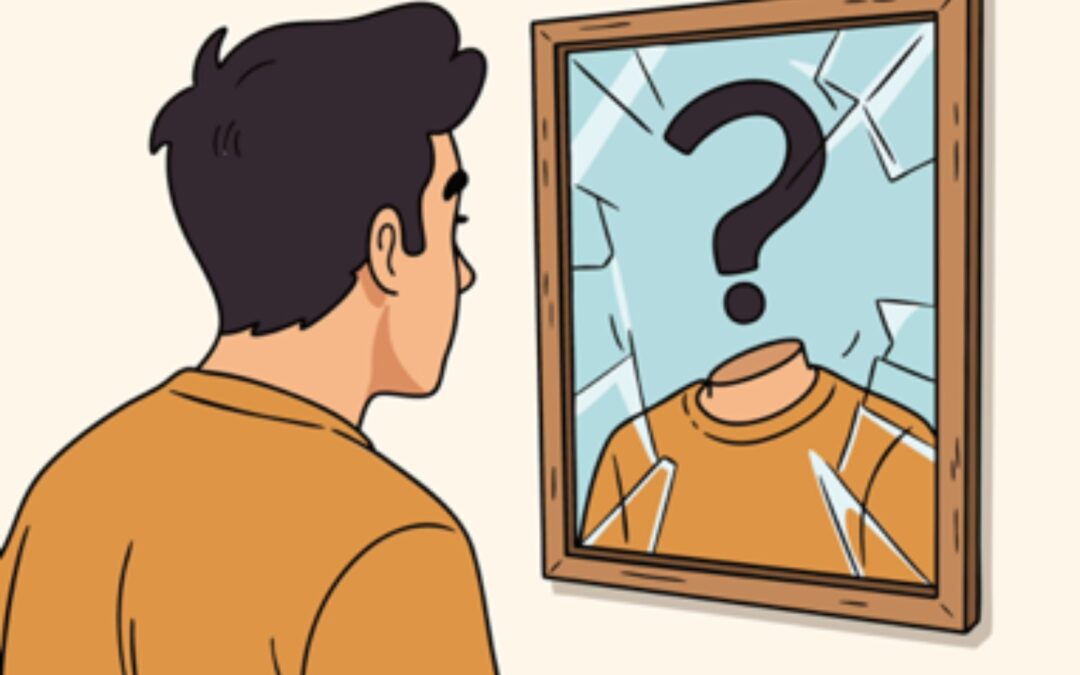
This can be unsettling because we often have deeply held beliefs about how we are supposed to feel in certain circumstances. When something is objectively good, we assume our emotional response should be good too. When we achieve something meaningful, we believe we should feel proud. When something we have wanted for a long time finally happens, we believe we should feel grateful or happy. When our actual experience does not match that expectation, it is easy to turn the discomfort inward and wonder what is wrong with us.
What can make this even more complicated is that the feeling we believe we are supposed to have may not have come from us in the first place. Sometimes, other people place expectations on our emotional experiences without even realizing they are doing so. Family members may assume we should be excited about a life change. Friends may expect us to be thrilled about an accomplishment. Society often sends us subtle messages about what happiness, success, love, and fulfillment are supposed to look like.
We absorb these messages over time, and eventually they can become our own internal expectations. We may hear someone say, “You must be so happy,” and find ourselves thinking, “I should be.” When we are not, we may begin to question ourselves rather than question the expectation.
This is where shame can enter the picture. Instead of simply experiencing an emotion, we begin judging ourselves for having it. We think, “Why am I not happier?” or “What is wrong with me?” We may even feel guilty because we believe we should be grateful for what we have. The original emotion becomes secondary to the belief that we are experiencing it incorrectly.
As a therapist, I think it is important to make room for the reality that our emotions are rarely that simple. A positive circumstance does not guarantee a positive emotional experience, just as a difficult circumstance does not eliminate the possibility of happiness. We are capable of experiencing multiple emotions at the same time. We can be grateful and still be sad. We can love someone deeply and still feel lonely. We can be proud of an accomplishment and still feel exhausted. We can recognize that our lives are good and still struggle internally. These experiences do not make us ungrateful or broken.
They make us human.
Sometimes, we also place an enormous amount of emotional responsibility on the things we want. We tell ourselves that a particular accomplishment, relationship, purchase, or life change will finally give us a feeling we have been longing for. We may believe that once we reach a certain point, we will feel confident, secure, successful, or at peace. There is nothing wrong with hoping that certain experiences will improve our lives. The difficulty comes when we expect an external change to resolve something that exists much deeper within us.
A promotion may bring excitement, but it cannot automatically heal insecurity. A relationship can provide connection, but it cannot single-handedly resolve our sense of loneliness or teach us that we are worthy of love. Reaching a goal can be deeply meaningful, but it cannot guarantee that we will suddenly feel fulfilled.
Sometimes, the emotional experience that follows an achievement is not really about the achievement itself. It may be revealing something we have been too busy to notice. Perhaps we are burned out and need rest. Perhaps we are grieving a version of ourselves or a life we imagined. Perhaps the goal no longer means what it once did. Perhaps we have spent so much time working toward the next milestone that we have not stopped long enough to ask ourselves what we actually need. Instead of immediately judging the feeling, we can become curious about it.
We can ask what we expected to feel and where that expectation came from. Was it something we genuinely wanted, or was it something we learned we were supposed to want? Are we disappointed because the experience did not meet our own expectations, or because we are worried about disappointing someone else?
These questions can help us separate our authentic emotional experience from the expectations we have carried from other people. Our feelings are not always instructions, but they can provide important information. They can tell us something about our needs, our values, our relationships, or the ways we may be living according to expectations that no longer fit.
There is freedom in recognizing that we do not have to manufacture the “right” emotional response simply because a situation seems like it should make us feel a certain way. We can allow a good moment to be complicated. We can appreciate what is going well while acknowledging what hurts. We can hold gratitude and disappointment at the same time.
If you are experiencing complex emotions surrounding a certain situation or feeling like you “should” feel a certain way, reach out to a therapist to explore how you really feel and what you really need.