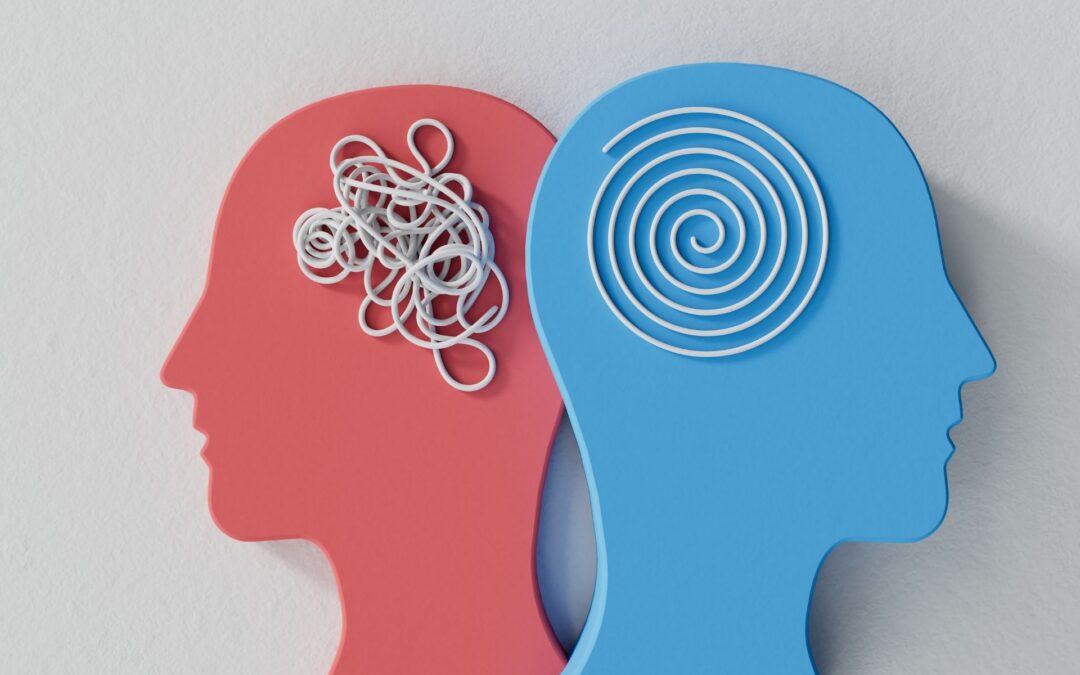
Mental health conversations often focus on coping skills. We’re encouraged to breathe deeply, challenge negative thoughts, go for a walk, journal, or practice gratitude. These tools can be helpful, and for many people, they provide real relief in moments of stress. But there’s a growing recognition in the mental health field that coping skills alone are not always enough—and that struggling despite “doing all the right things” is not a personal failure.
Coping skills are strategies that help regulate emotions, reduce distress, and manage symptoms. They are often the first tools introduced in therapy because they can create immediate stabilization. When someone is feeling overwhelmed, grounding techniques or behavioral changes can help bring the nervous system back into balance. In this way, coping skills are valuable and necessary.
However, problems arise when coping skills are framed as the solution rather than part of a larger process. Many people come to therapy feeling discouraged because they’ve tried meditation apps, exercise routines, or positive affirmations and still feel anxious, depressed, or emotionally stuck. They may wonder why these strategies don’t seem to “work” for them, or they may blame themselves for not being disciplined enough to use them consistently.
One framework that helps explain both the usefulness and the limits of coping skills is the Cognitive Behavioral Therapy (CBT) triangle. The CBT triangle illustrates the connection between thoughts, emotions, and behaviors, showing how each influences the others. For example, a thought like “I’m going to mess this up” may lead to anxiety, which then leads to avoidance or procrastination. That behavior can reinforce the original thought, creating a self-perpetuating cycle.
Coping skills often target one point of the triangle. Thought-challenging techniques focus on cognition, behavioral activation targets actions, and grounding skills help regulate emotional responses. These interventions can interrupt unhelpful cycles and provide meaningful relief. But the CBT triangle also highlights why symptom-focused strategies don’t always go far enough. If the underlying beliefs driving the thoughts remain unexamined—or if emotional responses are rooted in past experiences rather than present circumstances—the cycle may resume as soon as stress increases.
The truth is that mental health challenges are rarely just about stress management. Anxiety, depression, trauma, relationship distress, and burnout are often rooted in deeper patterns—past experiences, attachment wounds, chronic invalidation, or long-standing beliefs about safety and self-worth. Coping skills can help manage what shows up on the surface, but they don’t always address where those reactions come from.
For example, someone who grew up in an emotionally unpredictable environment may develop hypervigilance as a survival strategy. Within the CBT triangle, their thoughts may center on anticipating danger, their emotions may be dominated by anxiety, and their behaviors may include people-pleasing or constant scanning for threat. Deep breathing might help calm the body temporarily, but it won’t automatically undo years of learning that the world is unsafe or that their needs don’t matter.
Similarly, a person experiencing workplace burnout may use relaxation techniques effectively, but if the environment remains unsustainable, the distress is likely to return. In these cases, therapy moves beyond teaching skills and into helping clients understand their patterns, clarify values, set boundaries, and make meaningful changes—both internally and externally.
Another limitation of coping skills is that they are often presented as individual solutions to systemic problems. Many mental health struggles are shaped by factors like financial stress, discrimination, caregiving demands, or lack of social support. When distress is framed solely as a problem to be managed internally, people may feel invalidated or blamed for circumstances largely outside their control. Supporting mental health also means acknowledging when emotional pain is a reasonable response to a difficult reality.
A more compassionate approach reframes coping skills as tools for support rather than tests of success. Instead of asking, “Why isn’t this working for me?” we can ask, “What is my distress trying to tell me?” This shift reduces shame and opens the door to curiosity. It also allows people to seek help sooner, rather than waiting until they feel completely overwhelmed.
True mental health support often involves multiple layers. It may include learning coping strategies, examining thoughts and behaviors through frameworks like the CBT triangle, processing unresolved emotions, improving communication in relationships, and addressing trauma or loss. It may also involve grief—mourning what wasn’t received, what feels unfair, or what had to be endured. None of this can be rushed, and none of it follows a straight line.
Perhaps most importantly, healing often happens in relationship. Many people learned to survive by minimizing their needs or handling everything on their own. Therapy offers a different experience: being seen, believed, and supported without having to earn it. Over time, this relational safety can be as regulating as any technique.
Coping skills matter. Cognitive tools matter. But mental health is not about mastering techniques—it’s about understanding yourself with compassion and building a life that genuinely supports your well-being. If you’re struggling despite your best efforts, it doesn’t mean you’re doing it wrong. It may mean that what you’re facing deserves deeper care, understanding, and support. And that is not a weakness—it’s a very human need.