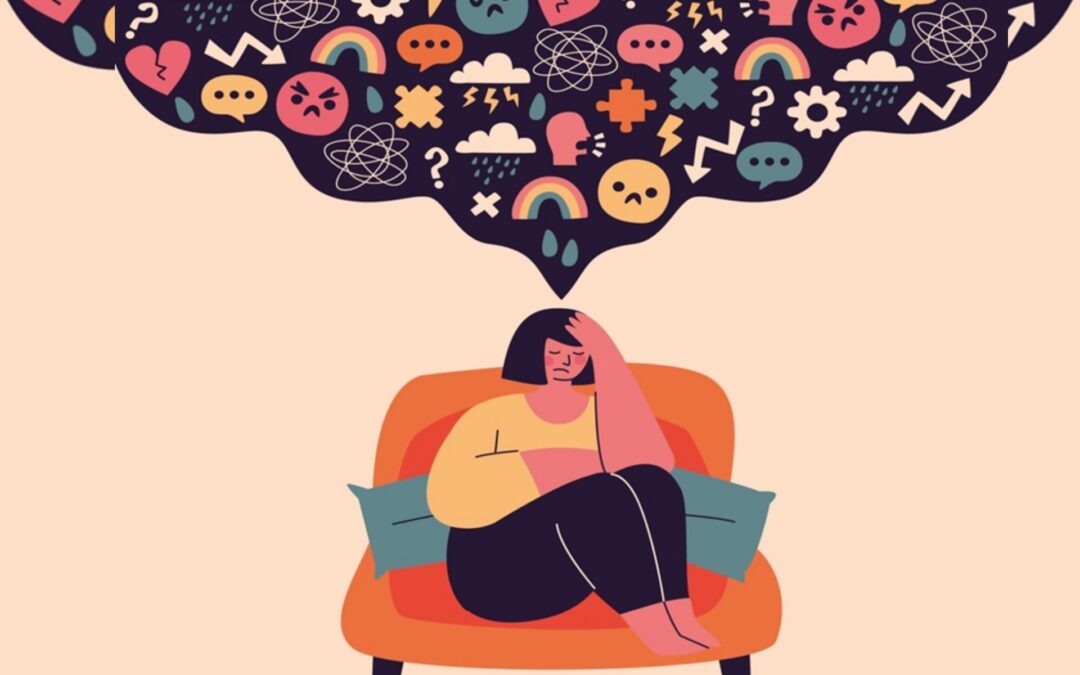
If you are pregnant or recently postpartum and feeling anxious, you are not alone. Many perinatal and postpartum parents experience anxious thoughts or physical tension but struggle to name what is happening. Often, parents assume anxiety means constant worry or feeling overwhelmed all the time. When their experience does not match that picture, they may minimize it or assume it is just part of becoming a parent. In reality, perinatal anxiety shows up in several different ways.
For some parents, anxiety feels like never ending worry. Your mind may jump from one concern to another, worrying about your baby’s health, your ability to parent, finances, or relationships. This is often referred to as generalized anxiety disorder. Even when things are going well, your body may feel tense, and your thoughts may not slow down. Many parents notice irritability, muscle tension, difficulty sleeping, or a constant feeling of being on edge. Because this worry can feel logical or protective, it often goes unnoticed for longer than it should.
Other parents experience anxiety in the form of panic symptoms. This can be especially confusing and scary if it is new. Panic anxiety can involve sudden surges of fear along with physical sensations like a racing heart, chest tightness, dizziness, and shortness of breath. You might worry something is seriously wrong with your body or fear that you are losing control. These episodes can happen during pregnancy or postpartum and often lead parents to avoid certain places or situations out of fear of having another panic attack.
Some parents notice their anxiety through intrusive thoughts that feel scary, disturbing, or deeply upsetting. This experience is often referred to as obsessive-compulsive disorder, and it can be especially distressing because the thoughts themselves feel so out of character. These thoughts might involve fears of accidents, harm coming to the baby, or making a terrible mistake. They can appear suddenly and without warning, leaving parents feeling frightened by their own mind. It is important to understand that these thoughts are unwanted and do not reflect your values, intentions, or the kind of parent you are. In fact, the distress they cause is often a sign of how much you care. Many parents try to cope by checking things repeatedly, mentally reviewing situations, seeking reassurance from others, or avoiding certain activities altogether. While these strategies may offer brief relief, they can slowly make anxiety feel more powerful over time. Because there is so much shame and misunderstanding around intrusive thoughts, many parents keep them to themselves. They may worry that if they speak them out loud, others will judge them, misunderstand them, or fear they are unsafe. With the right support, intrusive thoughts can become less frequent and less overwhelming.
Another common but overlooked experience is health focused anxiety. During pregnancy and postpartum, your body changes rapidly, and it is easy for anxiety to attach to physical sensations. You might find yourself constantly scanning your body, googling symptoms, or worrying about medical emergencies. While some level of concern is normal, anxiety can turn this into ongoing fear that interferes with daily life and peace of mind.
There is also birth related anxiety, which can show up during pregnancy or after delivery, and it is more common than many parents realize. Some parents feel intense fear about labor, medical interventions, or the possibility of losing control during the birth process. Others may find their mind repeatedly replaying a difficult or unexpected birth experience, even when they are trying to move forward. Certain reminders such as medical appointments, hospitals, or conversations about birth can trigger waves of anxiety or emotional distress. This does not mean you are ungrateful or weak. It means your experience deserves care and understanding.
Many parents do not recognize these experiences as anxiety because they do not look like what they expected. They may tell themselves they should be grateful, tougher, or more capable. Knowing that these experiences fall under normal and treatable anxiety diagnoses can be deeply relieving.
Perinatal and postpartum anxiety is common, and support is available. Understanding the different ways anxiety can show up is often the first step toward feeling less alone and getting the help you deserve.