News & Resources
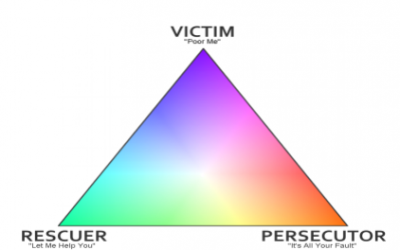
Understanding Drama Triangles-Boundaries in the Family
In the previous article on Boundaries, we learned that problems with boundaries can begin with attachment issues in our family of origin. Our family is where we learn about relationships and begin to develop our identity. Many things can affect a family’s ability to...

Types of Impostor Syndrome
Impostor syndrome is extremely common and is estimated that 70% of people will experience it at least once in their lives. This can look like, feeling like you are a fraud or an imposter, attributing your success to luck or external factors, or downplaying your own...

Signs of Narcissistic Personality Disorder in Mothers
A heavy diet. The Great Depression. and jumbo shrimp are all examples of oxymorons that are often used. These terms. characterized by two conflicting ideas being presented side by side. are sometimes humorous. In other instances. such as that of the narcissistic...

What To Expect In Your First Counseling Session
Well, you’ve made the decision. It’s time to stop letting anxiety, negative thoughts, depression, etc. have control over your life and you’re wanting to start therapy! The more we think about it though…the more nervous we can get! Coming to therapy for the first time...

3 Things to Know Before You Self-Diagnose
In an age where information is readily available for us to absorb, therapists often find themselves sitting in a room with a new client who is attached to their own self-diagnosis. More often than not, clients will google search their symptoms because they are tired...

Let Go and Let God – Faith-Based Therapy for Christians
Can spirituality and religion be used as a therapeutic strategy? More and more mental health professionals are finding that God can offer some of their clients more direction than they can. In the past, many Christians have neglected to get the help they need...